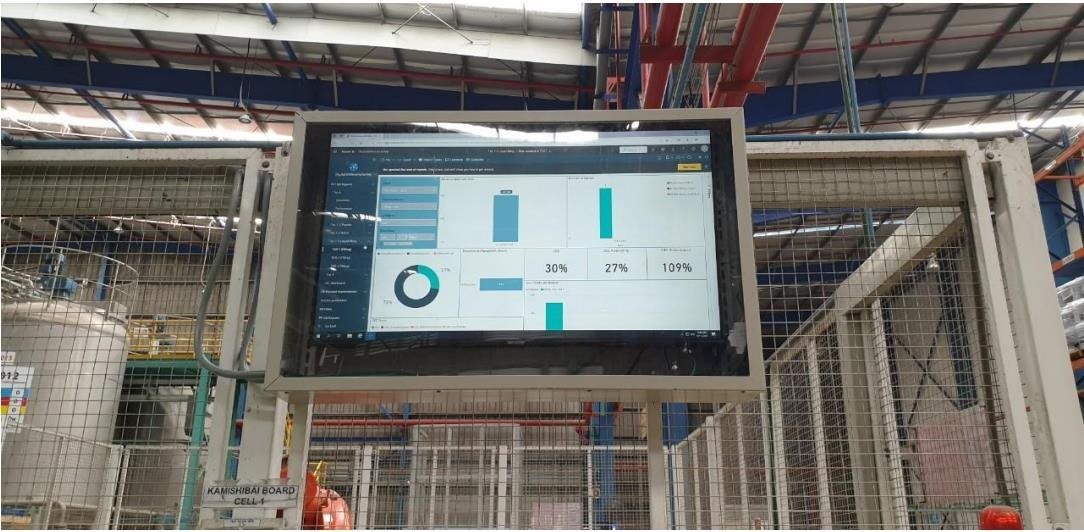
OEE tracking for filling lines
FDI paint manufacturer · Binh Duong · 2020–2021, extended to a second plant in Dong Nai in 2022Problem
Filling, capping and palletising lines ran on several PLC generations (Mitsubishi FX/Q, Siemens S7-300, ABB AC500, Beckhoff). Downtime was logged by hand, so real OEE could not be calculated.
Solution
Added counters and pulled tags from each PLC; built the downtime reason-code list with the production team over 5 revisions; installed OEE display panels and an RCC system; integrated check-weighers.
Result
The plant gets shift-level OEE from machine data; the system was extended to a second plant.
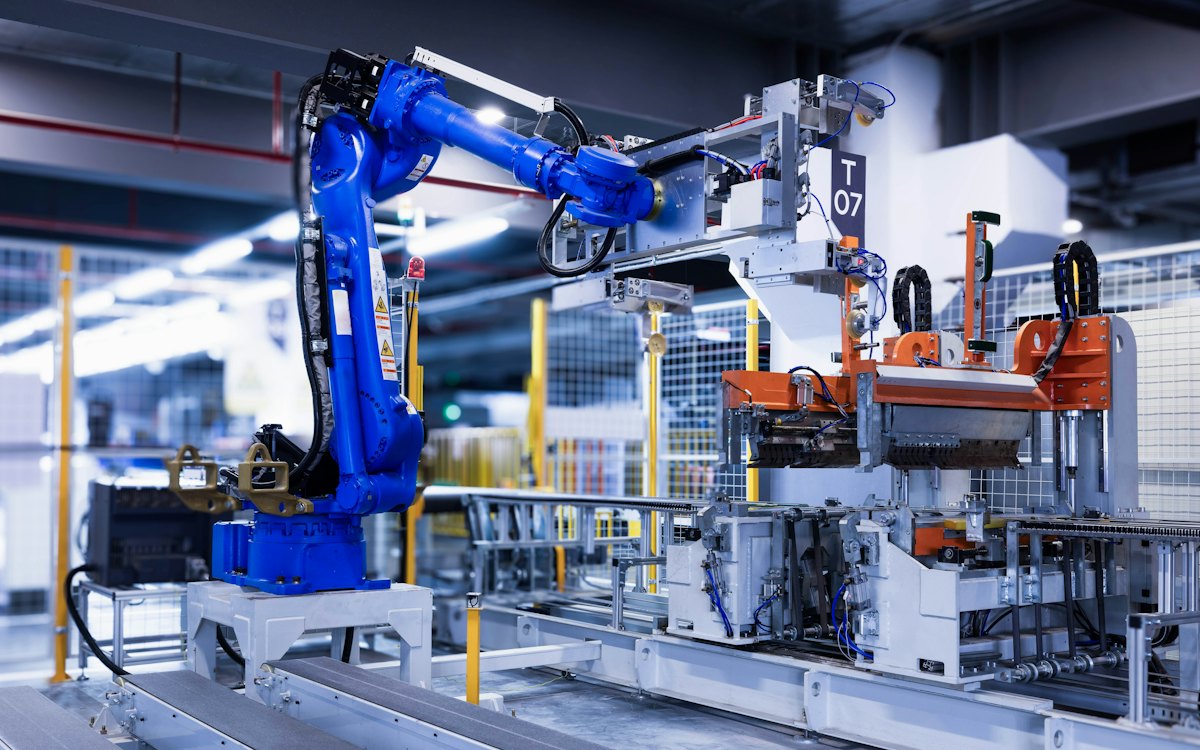
Illustrative photo, not from the project site
Extruder control migrated from IPC to PLC
FDI paint manufacturer · RetrofitProblem
The powder extruder was controlled by an ageing industrial PC with hard-to-find spares and a risk of long downtime.
Solution
Re-engineered the control on a PLC while keeping the mechanics; I/O documentation, commissioning and handover.
Result
A maintainable controller using common spare parts; plant technicians can now handle typical faults themselves.
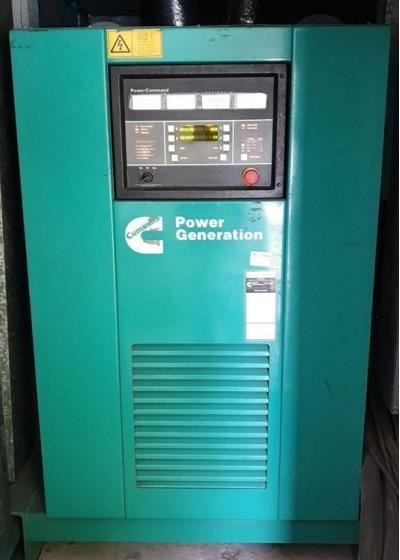
Repair and upgrade of an automatic transfer switch (ATS) panel
FDI paint manufacturer · Industrial electricalProblem
The mains–generator transfer controller was unreliable.
Solution
Surveyed the MV/LV single-line diagram, replaced the controller and reprogrammed the transfer logic.
Result
Reliable source transfer; the design became ATS's standard transfer-switch panel product line.
From a one-day survey to electrical repairs at a plastic cup plant
Food-packaging plastics plant · Dong Nai · 2026 · Electrical + production managementProblem
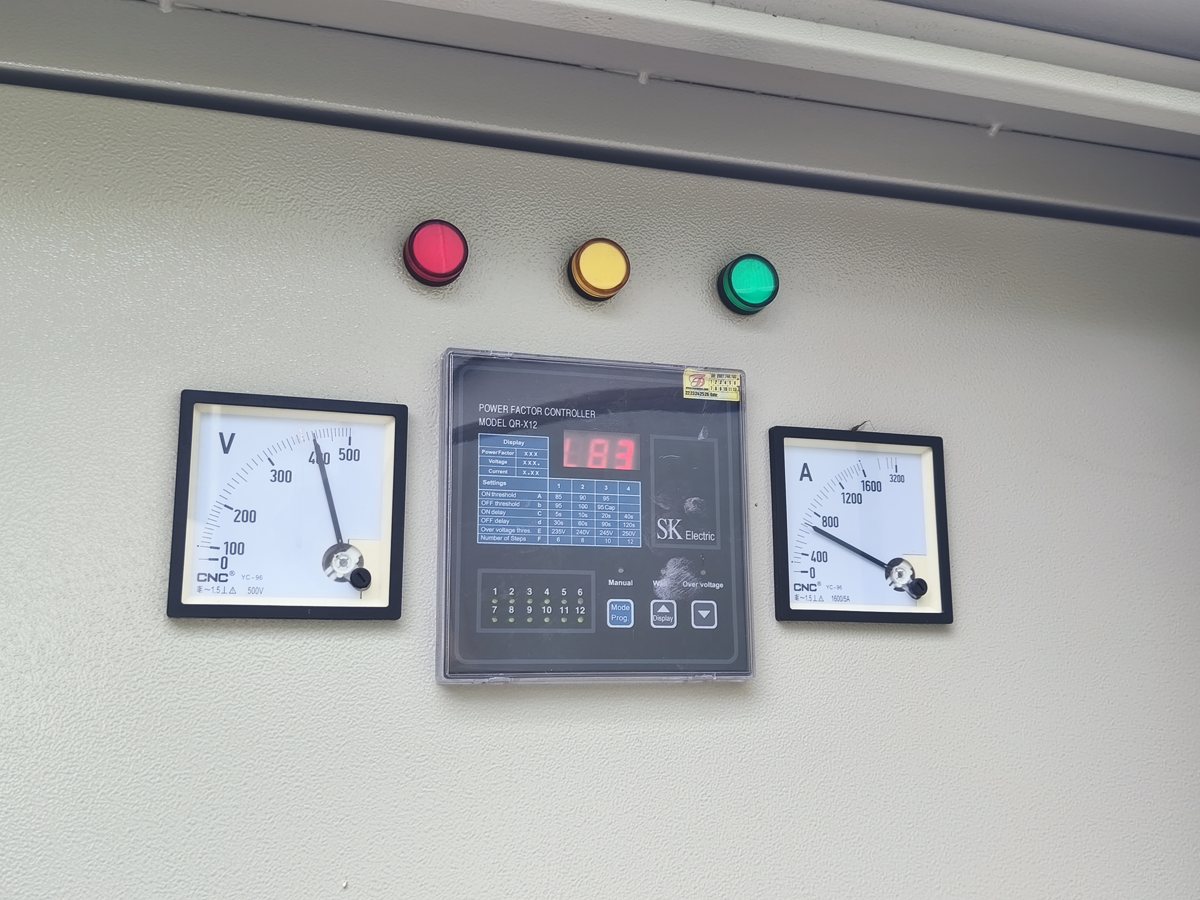
A one-day survey (08/2026, 285 photos, 20 areas) recorded 82 risk findings, 29 of them high priority: a 400 kVAr power-factor panel with many failed steps after a neutral-loss event on the utility side, hot supply cables to the cup machines, exposed live parts in several panels, and degraded cable lugs.
Solution
Work was done on Sundays to avoid stopping production: replaced 2 contactors and 6 capacitors and restored all PFC steps; shielded live parts in the distribution boards, replaced damaged enclosures, re-crimped lugs in the compressor panel. A multifunction meter logged the cup machine's load for 9 days (30-second interval, over 17,000 records). In parallel: standard times, operating procedures, BOM and costing for 20 products, and electricity cost per product.
Result
The 400 kVAr PFC panel is back in full operation. The data showed why the cable ran hot: the cup machine ran at power factor 0.688 and 151 A, about 30% above the cable's rating. Proposed local compensation of 50 kVAr with detuning reactors is calculated to raise power factor to 0.95 and cut current to about 119 A (−24%).